Garlic for Candida
Using garlic for Candida is one of the essential steps in treating a Candida overgrowth. Once the Candida ventures beyond the gut into the rest of the body, it is in it's fungal form.
Garlic is a potent natural antifungal that will help cure the Candida.
The active ingredient in garlic is allicin. Allicin is a potent antimicrobial as well as an antifungal. It can kill bacteria, viruses and fungi.
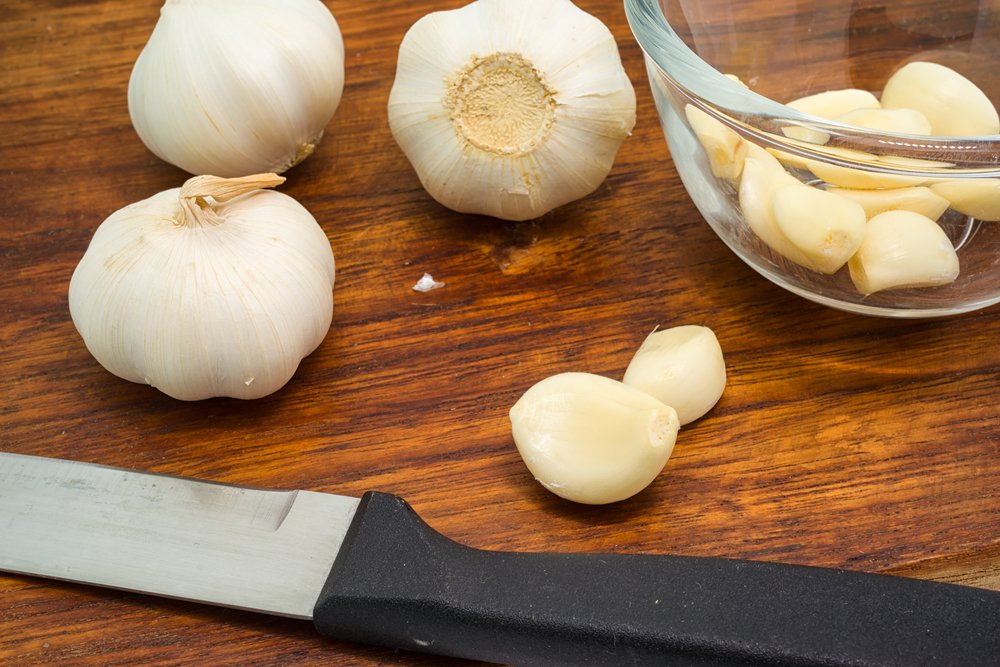
It is best to eat 2 cloves of organic garlic each day. A fresh clove is high in allicin and contains many other beneficial compounds and enzymes.
Many supplement companies sell garlic for Candida, but since allicin is best used synergistically with the other enzymes in the garlic, it is best to eat a fresh clove or squeeze a clove into your juice.
Heating the garlic destroys the allicin so only use raw garlic.
To get the most benefit from garlic cloves, crush them and let them set for 5 minutes before eating them or juicing them. This helps to release the allicin from the cells in the garlic.
Garlic for Candida Supplements
If you desire to take a supplement rather than using a fresh clove, the next best option is to take 300 mg of garlic supplements two to three times a day.
Check to see how much allicin is present in each pill and choose your brand by the allicin content. You want 11 mg of allicin per day.
Do not take any supplements that are in a hard pressed tablet form. The heat required to make the tablets harms the vitamins and enzymes in the garlic.
You can take more than these recommended amounts but you may run off your friends and family as well as the Candida!
Take as much as you can until your body odor becomes apparent and then back off until you smell acceptable again.
Garlic can help with many health conditions including cardiovascular problems and infections. I still eat a couple cloves of garlic every day as a part of my ongoing healthy diet.
Garlic is mentioned in numerous chapters of the book "Candida Albicans - The Hidden Disease".
Dosage
Raw garlic - 4 g daily (1 to 2 cloves)
Garlic capsules - one 300 mg tablet 2-3 times daily (standardized to 1.3% allicin or 0.6% allicin yield)
Aged garlic capsules - one 300 mg tablet 2-3 times daily
Cost
$1 to $15 per month, depending on form and brand
Recommended Brands
- Garlic Extract - Mountain Rose Herbs
$9.25 for 1 oz - Garlic Capsules - ProCaps Labs
$12.90 for 60-400 mg capsules ($0.43 daily) - Garlic Capsules - Kyolic with Mushrooms, Oregano and Olive Leaf Extract
$10.83 for 200-220 mg capsules ($0.22 daily) - Garlic Capsules - Kyolic with Nattokinase and L-theanine
$22.03 for 160-200 mg capsules ($0.55 daily) - Garlic Capsules - Kyolic with Ginger and Enzymes
$9.04 for 100-300 mg capsules ($0.27 daily) - Garlic Tablets - Garlicin by Nature's Way
$16.48 for 180-350 mg capsules ($0.27 daily)
Contraindications and Adverse Effects
Eating one to two cloves of raw garlic per day is considered safe in adults. The most common side effect of using garlic for Candida is bad breath and body odor.
Eating excessive amounts of raw garlic, especially on an empty stomach, can cause stomach upset, gas, and changes in the intestinal flora. There have been reports of skin rashes, burns, and blisters from topical application of raw garlic.
It appears that using garlic for Candida has no effect on drug metabolism, although it may have some effect on protease inhibitor efficacy.
It is suggested that patients taking blood thinners use caution when taking garlic because of its blood clot prevention properties. You should stop taking high dosages of garlic 7 to 10 days before surgery because garlic can prolong bleeding time.
One side effect of using garlic for Candida is experiencing a "die-off" reaction, also known as Herxheimers Reaction. This is a reaction to the dead Candida, not the garlic.
If you get more fatigue, diarrhea, headaches, muscle aches, joint aches or flu-like symptoms, reduce the dosage or temporarily stop taking garlic for Candida until your body can eliminate the dead Candida.
Detoxification can also cause slight headaches. Any over the counter pain reliever will help with the pain.
References
Home > Treatment For Candida Albicans > Natural Candida Cure > Garlic For Candida
What's New


-
Candida is one Psoriasis Causes
Nov 12, 16 08:02 AM
 Candida is often one of the main Psoriasis Causes. Review the research and discover how to cure your psoriasis now!
 -
Probiotics for Candida Albicans
Nov 12, 16 07:53 AM
The proper use of probiotics can help cure a Candida albicans overgrowth. -
Candida Albicans and Antibiotics
Apr 03, 16 08:12 AM
 Antibiotics are the main cause of a Candida albicans overgrowth. I'll tell you why.






New! Comments
Have your say about what you just read! Leave me a comment in the box below.